

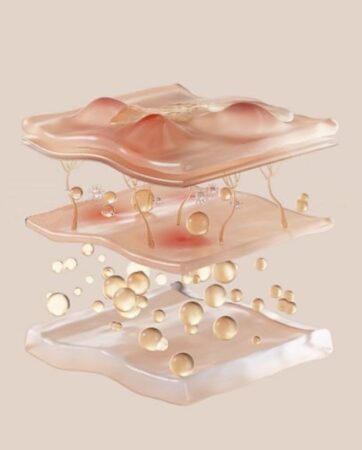
The effect of cold plasma (gas ionization technology) on inflammatory processes in rosacea: modulation of the cytokine cascade
Author: Pugach S.E.
The article discusses the key mechanisms of rosacea development, including immune dysregulation, cytokine cascade amplification, and microbiome involvement. Based on current data, the modulating effect of cold atmospheric plasma (gas ionization technology) is analyzed, which reduces the production of pro-inflammatory cytokines, suppresses NF-κB activity, and normalizes the inflammatory response of the skin. The use of thermal plasma sublimation in the phymatous form of the disease and the prospects for further clinical use of plasma technologies are also discussed.
Definition and Pathogenesis of Rosacea
Rosacea is a chronic inflammatory dermatological disorder characterized by persistent erythema, telangiectasia, papulopustular eruptions, and, in some cases, phymatous skin changes predominantly localized on the nose. The condition follows a relapsing course with high variability in clinical presentation, reflecting the multifactorial nature of its pathogenesis.
Current evidence demonstrates that dysregulation of innate immunity is a central element in the development of the disease. One of the key mechanisms involves hyperactivation of Toll-like receptor 2 (TLR2), which leads to increased expression of the serine protease kallikrein-5 (KLK5) and excessive production of the antimicrobial peptide LL-37. The latter, undergoing conformational and functional changes, acquires pronounced pro-inflammatory and pro-angiogenic properties. As highlighted in recent reviews of molecular signaling pathways, LL-37 triggers cascades that activate NF-κB, promote NLRP3 inflammasome assembly, stimulate cytokine release, and enhance cutaneous angiogenesis — processes that collectively contribute to the typical manifestations of rosacea.
Neurovascular dysregulation also plays an important role and is manifested by enhanced vascular reactivity and impaired neuromodulation of the cutaneous microcirculation. Environmental triggers such as temperature fluctuations, ultraviolet radiation, and psychological stress stimulate the release of neuropeptides — most prominently substance P and calcitonin gene–related peptide (CGRP) — which amplify neurogenic inflammation.
A significant contribution is made by microbial factors. The mite Demodex folliculorum and its associated bacteria (including Bacillus oleronius) activate TLR2-dependent immune pathways and stimulate LL-37 production, thereby intensifying inflammation, tissue damage, and the formation of papulopustular lesions. Collectively, rosacea emerges as a disorder shaped by a complex interaction among immune, vascular, and microbiological components.
The Role of Cytokines in the Pathogenesis of Rosacea
The cytokine cascade, formed by a wide spectrum of pro-inflammatory mediators, lies at the core of the inflammatory process. Among the principal molecules involved in initiating and maintaining inflammation in rosacea are: TNF-α, a central mediator that enhances the expression of adhesion molecules, increases vascular permeability, and activates neutrophils. IL-1β, produced through activation of the NLRP3 inflammasome, promoting extracellular matrix degradation and stimulating the release of additional inflammatory mediators. ІL-6, a key regulator of the acute inflammatory response that modulates STAT3 activation and contributes to the persistence of chronic inflammation. IL-8, a potent neutrophil chemoattractant involved in the formation of papulopustular lesions. CCL5 (RANTES) and CXCL9/10, chemokines that regulate T-cell migration and sustain prolonged cutaneous immune inflammation.
The cytokine cascade activated by LL-37 and NF-κB creates a self-perpetuating “vicious cycle” — intensification of inflammation → vasodilation → edema → tissue damage → release of new mediators. Many of these cytokines additionally promote angiogenesis via induction of VEGF, explaining the development of telangiectasia, persistent erythema, and progressive vascular remodeling in rosacea.
Modern experimental findings confirm that interrupting this cascade — for example, by suppressing NF-κB, reducing LL-37 activity, or limiting IL-6/TNF-α expression — leads to marked improvement of inflammatory symptoms, making cytokines essential therapeutic targets.
Existing Treatment Approaches and the Need for Novel Therapeutic Strategies. The management of rosacea traditionally relies on a combination of topical and systemic agents — including metronidazole, azelaic acid, ivermectin, and doxycycline — as well as laser treatments, phototherapy, and, in phymatous forms, surgical and ablative procedures. However, most of these therapeutic modalities focus on alleviating symptoms rather than addressing the primary drivers of the disease, such as immune dysregulation and pathological activation of the cytokine cascade.
In recent years, cold atmospheric plasma (CAP, a gas-ionization technology) has attracted increasing attention as a promising therapeutic modality due to its multifaceted biological effects, including: modulation of immune responses through downregulation of NF-κB and associated cytokines, antimicrobial activity, including reduction of Demodex populations, improvement of microcirculation, stimulation of reparative and regenerative processes, modulation of the oxidative status of the skin via low concentrations of reactive oxygen and nitrogen species (RONS).
Clinical evidence — including registry data (e.g., the NCT05592548 clinical trial) and pilot split-face studies — supports the safety profile of CAP, while experimental models demonstrate reductions in TNF-α, IL-6, IL-1β, and other inflammatory mediators following exposure to low-temperature plasma.
In addition to CAP, thermal plasma technologies are applied in the management of phymatous rosacea. These modalities enable removal of hypertrophic tissue similarly to electrosurgery, but with lower thermal load and improved control over the ablation zone.
Plasma-based approaches thus represent an emerging area in the treatment of inflammatory dermatoses, warranting comprehensive analysis and scientific validation.
The purpose of the present work is to summarize and analyze current evidence regarding the beneficial effects of cold atmospheric plasma (gas-ionization technology) on inflammatory processes in rosacea, with particular emphasis on modulation of the cytokine cascade, attenuation of pro-inflammatory and pro-angiogenic pathways, and interference with the LL-37–NF-κB axis. Additionally, the role of other plasma technologies, including thermal plasma, in the management of phymatous rosacea is reviewed with attention to their efficacy and clinical applications.
Physical Principles and Mechanisms of Action of Plasma (Gas-Ionization Technologies) in Dermatology. Plasma is defined as a partially or fully ionized gas composed of electrons, ions, excited atoms, radicals, and photons. Within dermatology, two primary plasma technologies are of greatest clinical relevance: cold atmospheric plasma (CAP, a gas-ionization technology) and corona/arc-discharge plasma used for tissue sublimation procedures.
Cold atmospheric plasma belongs to the category of athermal plasma sources, with the temperature of its active flow not exceeding approximately 40 °C, which ensures safe application to superficial tissues without thermal injury.
CAP is characterized by a complex composition that includes: reactive oxygen and nitrogen species (RONS), such as O, O₂⁻, O₃, OH•, H₂O₂, NO, NO₂, and N₂O₅, short-wave ultraviolet radiation, weak electric fields, a low-temperature plasma stream.
Among these components, RONS are considered the principal biologically active agents responsible for the anti-inflammatory, antimicrobial, and regenerative effects of CAP.
Corona and Arc-Discharge Plasma (Plasma Sublimation). Plasma technologies based on corona or arc discharge operate through contact or near-contact application, generating microscopic electrical arcs. At the moment of discharge, a high-intensity electromagnetic field is formed, accompanied by a localized thermal effect: surface temperatures may reach approximately 35–60 °C or higher, the thermal effect is harnessed for coagulation, evaporation, or sublimation of tissue.
In contrast to CAP, plasma sublimation is not an athermal technology and is used primarily for ablative or surgery-like aesthetic procedures, including correction of phymatous rosacea due to its ability to precisely reduce hypertrophic tissue.
Key Mechanisms of Cold Atmospheric Plasma (CAP) in Dermatology.
Antimicrobial Activity. Cold atmospheric plasma demonstrates potent activity against bacteria, fungi, and protozoa due to the synergistic action of RONS, UV photons, and electric fields.
This is particularly relevant in rosacea, as CAP: reduces bacterial load (including Cutibacterium acnes and Staphylococcus aureus), disrupts biofilms, exerts effects on Demodex folliculorum, a pathogenetically important trigger associated with inflammation and hyperreactivity of the innate immune system.
These antimicrobial properties help decrease TLR2-mediated stimulation and reduce LL-37 production, contributing to attenuation of the inflammatory cascade characteristic of rosacea.
Immunomodulation. One of the key actions of CAP is immunomodulation, expressed as: downregulation of pro-inflammatory cytokines (TNF-α, IL-1β, IL-6, IL-8), normalization of keratinocyte and immune-cell function, stabilization of the vascular wall.
Through these mechanisms, CAP shifts the cutaneous immune response from pronounced neutrophil-driven inflammation toward a more controlled regenerative process, which will be discussed in greater detail in the next section of the article.
Stimulation of Regeneration and Tissue Remodeling. Cold atmospheric plasma enhances cutaneous repair mechanisms by: accelerating fibroblast migration and proliferation, increasing synthesis of collagen types I and III, promoting angiogenesis in areas of injury, improving overall skin barrier function.
These effects make CAP a promising component of comprehensive rosacea therapy, particularly in cases characterized by chronic inflammation and tissue damage.
What is the application of plasma sublimation in phymatous rosacea?
Phymatous rosacea is characterized by progressive hypertrophy of connective-tissue structures, most commonly in the nasal area (rhinophyma). This condition is accompanied by: thickening of the skin, hyperplasia of the sebaceous glands, remodeling of the collagen matrix, and often secondary inflammation.
Mechanism of action of plasma sublimation.
Plasma sublimation is based on localized thermoablation of tissues under the action of micro-plasma discharges.
The process includes: controlled evaporation of superficial layers, protein coagulation, reduction in the volume of hypertrophic tissue, stimulation of subsequent dermal remodeling.
The method enables micro-spot ablation with minimal risk of bleeding due to simultaneous coagulation of blood vessels.
Advantages of the method in phymatous rosacea: high precision in removing excess tissue, improvement of the shape and contours of the nose, the possibility of multistage and minimally invasive correction, combination with CAP (gas ionization technology) to reduce inflammation and accelerate healing.
Thus, plasma sublimation occupies an important place in the treatment of phymatous rosacea as an effective and sparing reconstructive method.
Let us proceed to the modulatory influence of cold plasma (CAP, gas ionization technology) on the cytokine cascade in rosacea.
Cold atmospheric plasma (CAP, gas ionization technology) is regarded as a promising therapeutic tool for modulating inflammatory processes in rosacea due to its ability to act on key elements of immune response, angiogenesis, and neurovascular regulation. CAP (gas ionization technology) is characterized by a pronounced modulatory effect on the cytokine profile both at the level of individual skin cells (keratinocytes, fibroblasts, endothelial cells) and at the level of the local immune microenvironment.
What is the direct effect of gas ionization technology on inflammatory mediators?
Numerous studies show that CAP (gas ionization technology) can significantly reduce the expression of key pro-inflammatory cytokines, which are characteristically elevated in rosacea: TNF-α — the central mediator of acute and chronic inflammation; IL-1β — an activator of the inflammatory cascade through the NLRP3 inflammasome; IL-6 — a key cytokine that amplifies neutrophilic inflammation; IL-8 (CXCL8) — a chemotactic factor for neutrophils, critically important for the formation of papulopustules.
The principal mechanism of action of CAP (gas ionization technology) lies in its influence on redox-sensitive signaling pathways, primarily NF-κB, which regulates transcription of most pro-inflammatory cytokines.
RONS generated during exposure to CAP exert regulatory effects by: inhibiting nuclear translocation of NF-κB, suppressing activation of its upstream regulators (IKKα/β), reducing transcription of the genes TNF-α, IL-6, IL-1β, IL-8, CXCL9, CXCL10.
These effects are confirmed both in vitro and in vivo: for example, in the study NCT05592548, a pronounced reduction in inflammatory markers and improvement in clinical manifestations of erythema were observed with the use of CAP (gas ionization technology).
In the work PMC11439730, it was shown that CAP (gas ionization technology) decreases IL-6 and IL-8 production by keratinocytes and suppresses the inflammatory response under conditions of induced oxidative stress.
Thus, direct suppression of the cytokine cascade is a key effect of CAP (gas ionization technology) in rosacea.
Let us examine the influence of cold plasma (gas ionization technology) on the immune cells of the skin.
CAP (gas ionization technology) exerts a significant effect on the innate and adaptive immunity of the skin by altering the activity of various immune cells:
Macrophages. CAP (gas ionization technology) reduces macrophage polarization toward the M1 phenotype, which is responsible for the production of TNF-α and IL-1β.
It enhances the shift toward the M2 phenotype, which promotes repair and reduces inflammation.
T cells. It modulates the activity of CD4⁺ T cells, decreasing the production of IL-17 and IFN-γ.
It reduces the local level of the Th1/Th17 response, which is characteristically elevated in rosacea.
It improves the barrier function of the skin, reducing antigenic stimulation.
Neutrophils. It decreases neutrophil chemotaxis through suppression of IL-8 and CXCL10.
It reduces the formation of NETs (neutrophil extracellular traps), which contribute to skin damage in rosacea.
The studies PMC10136735 demonstrate that CAP (gas ionization technology) normalizes the immune status of tissues, reducing the infiltration of inflammatory cells and decreasing the severity of chronic inflammation.
Let us discuss the regulation of key pathogenetic pathways in rosacea.
One of the central mechanisms of rosacea is the hyperactivation of the TLR2–KLK5–LL-37 pathway: TLR2 on the surface of keratinocytes, which responds to microbial antigens and Demodex; KLK5, a serine protease that cleaves the cathelicidin molecule; excessive formation of LL-37, which triggers a potent inflammatory reaction.
Under the influence of CAP (gas ionization technology), the following effects are observed: decreased expression of TLR2, normalization of KLK5 activity, reduction in the level of the pathological LL-37 fragment.
These findings coincide with the results of the study PMID:38364746, which describes alterations in innate immune pathways under the influence of plasma.
Rosacea affects angiogenesis and erythema, which are accompanied by increased activity of vascular factors, including VEGF.
CAP (gas ionization technology) produces the following effects: decreases expression of VEGF-A, reduces pathological vascularization, stabilizes endothelial cells and reduces vascular hyperreactivity.
As a result, redness, telangiectasias, and the severity of erythema are reduced.
Indirect effect of CAP (gas ionization technology) through normalization of the microbiome. Cold plasma (gas ionization technology) exerts antibacterial, anti-Demodex, and anti-biofilm activity. This leads to decreased stimulation of innate immunity and reduced activation of TLR2.
Indirect anti-inflammatory effects include: reduction of the Demodex folliculorum population, suppression of bacterial triggers (S. epidermidis, C. acnes), disruption of biofilms resistant to traditional treatment methods.
These effects are well described in the MDPI Cosmetics (2023) studies and confirm that CAP (gas ionization technology) reduces cytokine stimulation driven by microbiological factors.
Clinical application and outcomes.Clinical interest in cold atmospheric plasma (CAP (gas ionization technology)) and thermal plasma technologies is rapidly increasing, since they combine antimicrobial, anti-inflammatory, immunomodulatory, and remodeling effects. Within rosacea therapy, these methods demonstrate significant reduction in the severity of inflammatory lesions, correction of vascular abnormalities, and improvement of skin quality.
Let us review the clinical studies of CAP (gas ionization technology) in rosacea. Several clinical observations and pilot studies confirm the effectiveness and safety of CAP (gas ionization technology) in the treatment of inflammatory manifestations of rosacea.
Improvement of inflammatory symptoms. In the open pilot study NCT05592548 (ClinicalTrials.gov), which included patients with papulopustular and erythematotelangiectatic forms, it was shown that: there was a pronounced reduction of erythema after 2–3 procedures, a decrease in the number of papules and pustules, a reduction in subjective sensations of burning and tingling, characteristic of sensitive skin.
After the full course of treatment, the majority of participants demonstrated sustained clinical improvement without signs of relapse during 4–6 weeks of follow-up.
Safety and tolerability.
CAP (gas ionization technology) is well tolerated by patients due to its athermic nature (exposure temperature < 40 °C): absence of burns or micro-injuries; minimal discomfort during the procedure; no recovery period; compatibility with other cosmetic and dermatological techniques.
Studies show that CAP (gas ionization technology) does not disrupt the skin barrier; on the contrary, it promotes its restoration, which is especially important for patients with increased skin sensitivity in rosacea.
Reduction of inflammatory and angiogenic markers.
Data from experimental studies (PMC11439730; PMID:38364746; MDPI Cosmetics, 2025) demonstrate: reduction in the levels of IL-6, IL-8, TNF-α; decreased expression of LL-37; normalization of TLR2 activity; reduction of VEGF and decreased vascular hyperreactivity.
These findings confirm the mechanism of anti-inflammatory and vascular-stabilizing action of CAP (gas ionization technology) in clinical practice.
The role of plasma sublimation (thermal plasma) in the correction of phymatous rosacea.
The phymatous form of rosacea is the most challenging to correct. It is characterized by hyperplasia of the sebaceous glands, thickening of the dermis, and the development of fibrotic changes, which are most pronounced in rhinophyma.
Plasma sublimation is a modern minimally invasive technique based on a short high-energy discharge that induces: pinpoint coagulation of tissue, superficial ablation, volumetric contraction and remodeling of fibrotic structures.
According to published data in the PMFA Journal and Actas Dermo-Sifiliográficas, plasma sublimation: effectively reduces hypertrophic skin areas, smooths nasal contours in rhinophyma, improves dermal texture and density, decreases the volume of fibrotically altered tissue without deep trauma.
Clinical outcomes show efficacy comparable to CO₂ laser and electrosurgery, while the method: causes less thermal damage to surrounding tissues, shortens healing time, reduces the risk of scarring.
Thus, thermal plasma is an important complement to cold plasma, addressing tasks of structural correction that are beyond the capabilities of CAP.
What are the future prospects and unresolved questions of gas ionization technology?
Despite compelling evidence, CAP (gas ionization technology) is still undergoing active standardization. There are several issues that require further investigation.
The need for standardization of CAP (gas ionization technology) parameters.
Therapeutic results may greatly depend on: the power and energy of the discharge, the concentration of RONS, the distance and exposure time, the gas composition (air, Ar, He), the electrode shape and device configuration.
The absence of unified protocols complicates the comparison of results across studies.
Lack of large randomized clinical trials.
Most available data come from: pilot studies, small patient cohorts, laboratory models. Large multicenter phase III trials are required to incorporate CAP (gas ionization technology) into international clinical guidelines for rosacea treatment.
A comprehensive approach to therapy.
CAP (gas ionization technology) has strong therapeutic potential, but its optimal use appears to be in combination with: CAP (gas ionization technology) + topical anti-inflammatory agents, CAP (gas ionization technology) + laser therapy for vascular abnormalities, CAP (gas ionization technology) + plasma sublimation for phymatous changes.
Evaluation of long-term effects.
The following aspects remain insufficiently studied: the durability of remission after CAP (gas ionization technology), the influence of CAP (gas ionization technology) on the risk of progression of the phymatous form, the potential for prophylactic use in patients with frequent relapses.
Overall, the prospects for the use of cold and thermal plasma in rosacea appear exceptionally promising due to their multicomponent mechanism of action and high biocompatibility.
Bibliography:
Clinical trial NCT05592548 — Rosacea Treatment Using Non-thermal (cold) Atmospheric Plasma Device. ClinicalTrials
Signaling pathways and targeted therapy for rosacea. PMC11439730. PMC
Feng C. et al., Oroxylin A suppress LL-37 generated rosacea-like skin inflammation… Int Immunopharmacol. 2024. (PMID 38364746). PubMed
An Adhesive Peptide Derived from Mussel Protein Alleviates LL37-Induced Rosacea… Cosmetics (MDPI). 2025. MDPI
Long-Term Administration of LL-37 Can Induce Irreversible Rosacea-like Lesion. PMC / PubMed 2023. PubMed
Electrosurgery for the Treatment of Moderate or Severe Rhinophyma. Actas Dermo-Sifiliográficas. actasdermo.org
Доп. пилот-исследование CAP при розацеа (Hofmeyer et al.), PubMed.