

PlasmaHealth Podology Blagoevgrad
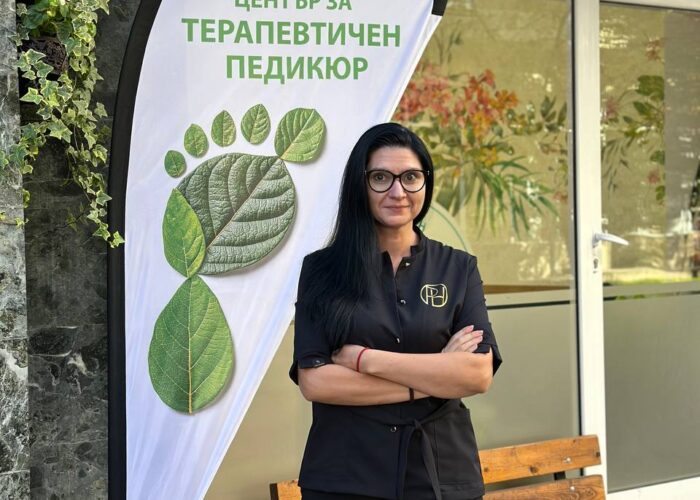
Greetings! My name is Elitsa Stoimenova, I am a specialist with 11 years of experience in the field of therapeutic pedicure and the founder of the first center specializing in this area in the city of Blagoevgrad.
Your cosmetologist and skin expert
Your specialist in therapeutic pedicure
My professional activity is aimed at helping people with various foot and nail problems. Each case requires an individual approach, knowledge, and precision – and this is exactly what I put into my work every day. I am a certified specialist in orthonyxia and possess eight types of corrective systems, which allows me to choose the most effective and gentle solution depending on the client’s condition.
In my pursuit of the highest possible results, I chose the innovative Plasma Health technology. It helps accelerate recovery, relieve discomfort, and achieve stable positive dynamics already after the first procedures.
My goal is not only to achieve beautiful and healthy feet but also to return comfort, confidence, and quality of life to my clients. I am happy to invite you to my center, where care and professionalism always go hand in hand.
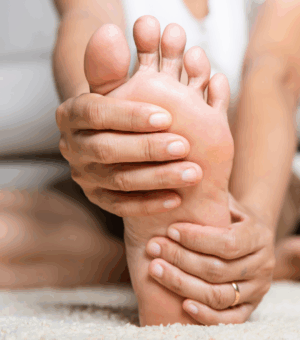
We provide comprehensive care for the diabetic foot with an assessment of sensitivity, skin and nail condition, as well as the risks of neuropathy and angiopathy. We help improve microcirculation, accelerate healing, and reduce inflammatory processes.
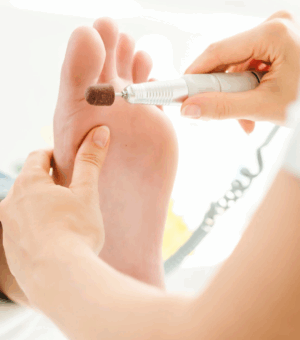
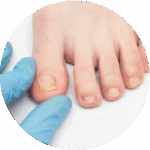
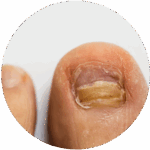
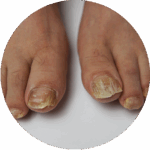
A podologist performs professional treatment of the nail plate and preparation of the nail for the application of antimycotics. Low-temperature plasma (gas ionization technology) enhances the effectiveness of the preparations due to its antiseptic effect and improved penetration of formulations.
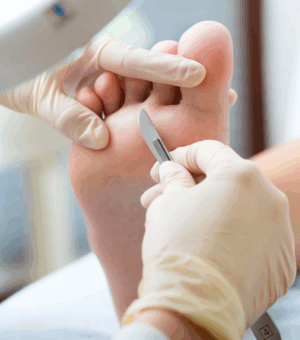
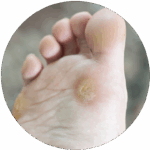
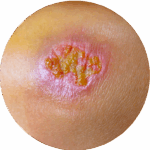
The comprehensive treatment includes nail treatment, removal of corns, hyperkeratosis, and prevention of cracks, which is especially important for diabetics and patients with sensitive skin. Our technology helps accelerate tissue recovery and reduce the risk of inflammation. We gently and atraumatically remove painful corns that cannot be safely treated at home.
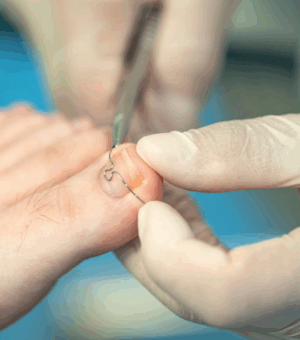
Correction systems help restore the proper growth of the nail plate in cases of ingrown or deformed nails. Plasma treatment reduces inflammation of the periungual folds and accelerates recovery, ensuring more comfortable correction.
Plasma Health and Podiatry
- Dermatitis
- Diabetic foot
- Foot fungus
- Podology
- Removal of corns and warts
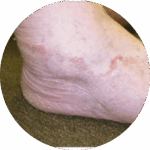
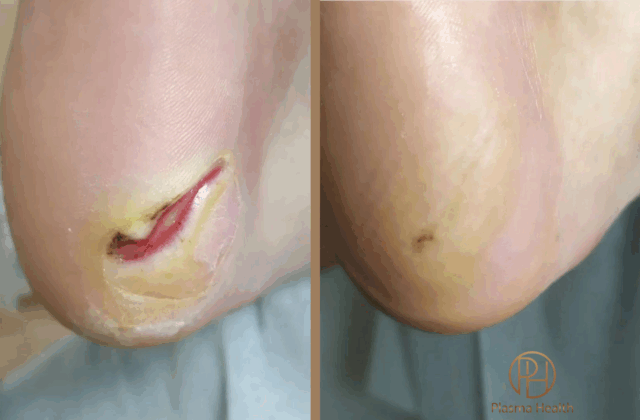
- Treatment of chronic cracks
- Working with hyperkeratosis

Our price list

What is plasma and how does it work?
Plasma is the fourth state of matter along with solid, liquid, and gaseous. It is formed when gas is heated to high temperatures, which leads to the separation of electrons from atoms and molecules. As a result, a cloud of charged particles arises with unique properties that can be used in various fields, including improving the condition of the skin.
Special devices create a plasma discharge, which is applied to the skin. This discharge destroys damaged skin cells, allowing tissues to regenerate and heal.
The gas ionization method PlasmaHealth in podology is used for safe and targeted action on problematic areas of the skin of the feet.
For the treatment of cracks, the area of an ingrown nail without injury, keratinized and rough skin, the treatment of warts, calluses, corns, and for stimulating the healing of small wounds and cracks.
Plasma (gas ionization technology) has an antiseptic effect for disinfecting the skin, improving microcirculation, and accelerating tissue regeneration.
The gas ionization technology allows working delicately and painlessly, without the risk of thermal burn or damage to healthy skin.
PlasmaHealth methods in podology


Get a consultation
Client Results
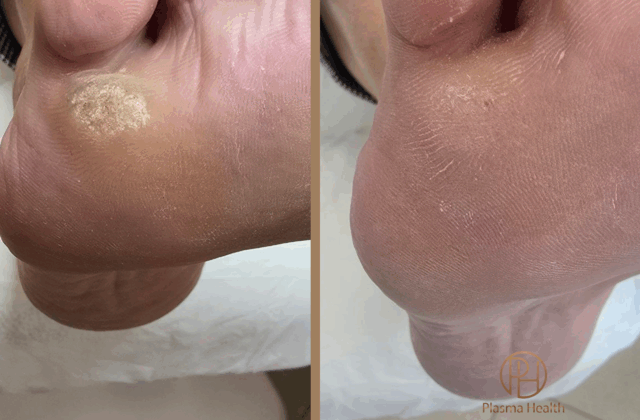
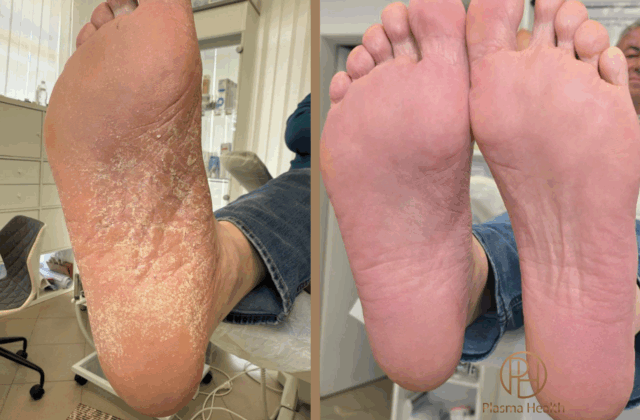
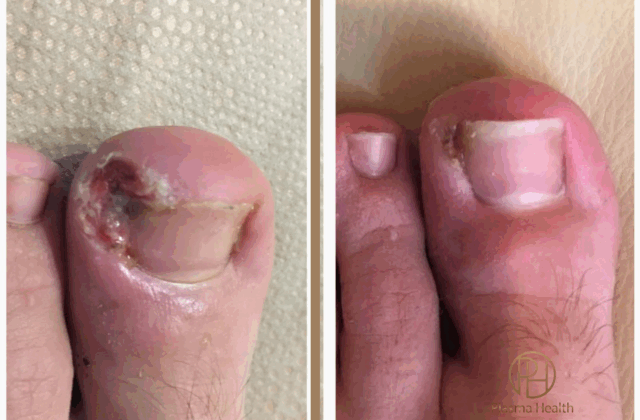
How PlasmaHealth procedures work?
The PlasmaHealth procedure is an innovative approach to improving skin health and aesthetics. The treatment is carefully structured so that each session is adapted to the individual needs of the skin.
- Diagnostics:
This analysis allows an accurate assessment of the current condition and characteristics of the skin. Various factors such as hydration, elasticity, and the presence of skin impurities are taken into account.
- Consultation:
After the analysis, a detailed consultation takes place. The diagnostic results are discussed, and together with the specialist, an individual treatment plan is drawn up. The goal is to address the specific needs of the skin and select the best possible therapy.
- Discussion of risk factors and contraindications:
An important part of the consultation is discussing possible risk factors and contraindications. All relevant information must be collected to ensure the safety and effectiveness of the procedure.
Thanks to this structured process, each PlasmaHealth treatment is optimally adapted to the individual needs of the client to achieve the best results.
Contraindications
When is the PlasmaHealth procedure not suitable?
- Pregnancy / breastfeeding
- Pacemaker!!!
- Oncological diseases
- Epilepsy
Yes, an initial consultation is mandatory before the first procedure. The specialist examines the feet, assesses the condition of the skin, identifies indications and possible contraindications. To schedule a consultation, fill out the form by clicking the “Get a consultation” button. General information will be provided over the phone, and for an examination of the issue by the chief podiatry specialist, we will offer available time slots in the calendar.
PlasmaHealth is a method based on air ionization. Ions and electrons stimulate healing and regeneration. Procedures are divided into traumatic and non-invasive types.
The PlasmaHealth method is effective for:
- cracked heels
- calluses
- warts
- hyperkeratosis
- fungal infections of the skin and nails
- early stage of ingrown toenails
- slow wound healing (diabetic foot)
- inflammations, swelling, pain
- any type of dermatitis and psoriasis
Yes, the PlasmaHealth method works gently and can be used even with increased skin sensitivity. However, everything depends on the individual case — the specialist selects the optimal mode. For a deeper understanding of the method, leave your consultation request and we will call you back.
The interval between procedures depends on the goal:
- for healing and regeneration — once every 7–14 days
- for warts and calluses — usually a single procedure.
Sensations may vary: from slight tingling to warmth. In most cases, the procedure is well tolerated. If necessary, local anesthesia is used.
Even after one session, the skin becomes softer, cracks begin to heal, keratinized areas and discomfort while walking are reduced. Dermatitis and fungal infections decrease by 40–60% after the first visit. With a systematic approach — a pronounced therapeutic and aesthetic effect is achieved.
It is recommended to:
- avoid aggressive products for 3–5 days
- avoid tight shoes
- apply moisturizing or healing cream daily
- not pick off any possible scabs — they will fall off on their own
The PlasmaHealth method allows for targeted treatment of:
- heels
- toes
- balls of the feet
- area of ingrown toenails
- interdigital area
- warts on the feet
Yes, the main contraindications are:
- acute inflammatory processes in the body
- cancer in active treatment phase
- pregnancy
- presence of a pacemaker
- epilepsy
Yes, the PlasmaHealth method is often combined with classic podiatry cleaning, hardware pedicure, antifungal treatments, and others. Combinations are selected individually.
The recovery process is usually comfortable: slight sensitivity and dryness of the skin are possible. It is important to follow aftercare recommendations and avoid overloading the feet for the first 1–2 days after the procedure.